How Disabled Singles Can Create Authentic Online Profiles
Why Authentic Profiles Attract Genuine Matches
Authenticity is the heart of meaningful online dating. When your profile truly reflects who you are, you naturally draw people who are interested in you, not just a surface image. Many singles feel pressure to present a “perfect” version of themselves, but that often leads to shallow or mismatched connections.
For disabled singles, being authentic can feel like a vulnerable step, but it’s also empowering. By embracing your truth, you filter out those who aren’t ready for real connection and invite people who appreciate your honesty. Remember, the goal isn’t to appeal to everyone—it’s to attract the right ones. When your profile reflects your real personality, interests, and experiences, you set the stage for genuine and lasting relationships.
Choosing the Right Profile Photo That Feels Like You
Photos are often the first thing someone notices, so they should represent your authentic self. That doesn’t mean professional glamour shots—it means choosing images that reflect your everyday confidence and style.
Here are a few tips:
- Use a clear, recent photo where your face is visible.
- Smile naturally—it signals warmth and approachability.
- Include one or two shots of you enjoying hobbies or daily activities.
- Avoid heavy filters; natural is more relatable.
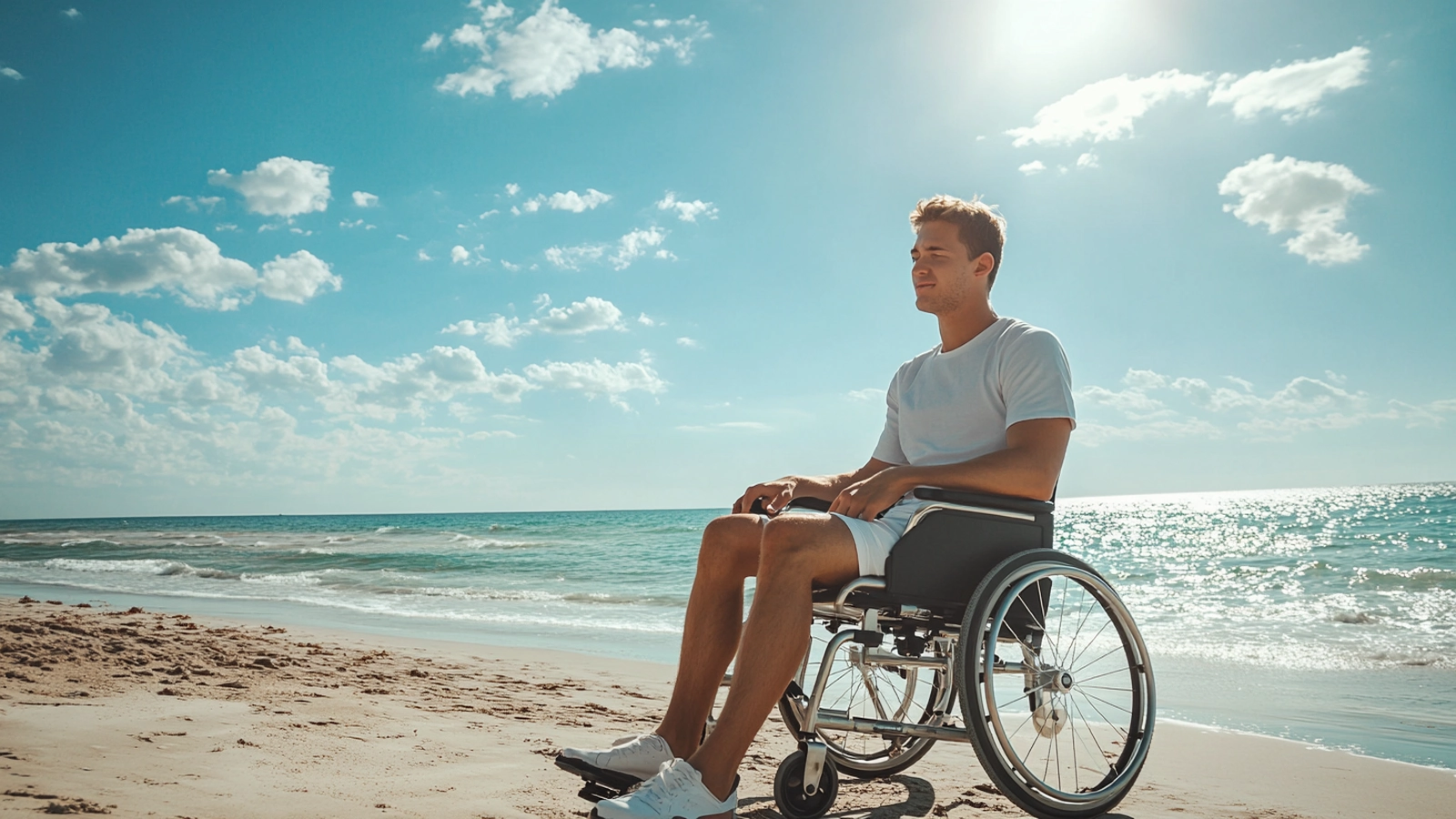
If you use mobility aids or assistive devices, don’t feel pressured to hide them. A photo that shows you as you are can help potential matches see you as confident and real. After all, the right partner will be drawn to your authenticity, not an edited version of you.
Writing a Bio That Shares Your True Story
Your bio is your chance to tell your story beyond the photos. Think of it as a snapshot of who you are, what you value, and what you’re looking for. Keep it conversational—like you’re talking to a friend—and don’t be afraid to let your personality shine through.
Start with a sentence that captures your vibe, whether it’s playful, thoughtful, or adventurous. Mention a few key interests, like your favorite hobbies or passions, and add something about the kind of connection you’re seeking.
Most importantly, be honest. If you love cozy nights in, say so. If travel excites you, include it. By sharing the truth, you help potential matches imagine what life with you could look like—and that’s far more powerful than trying to impress with clichés.
Highlighting Interests and Hobbies with Confidence
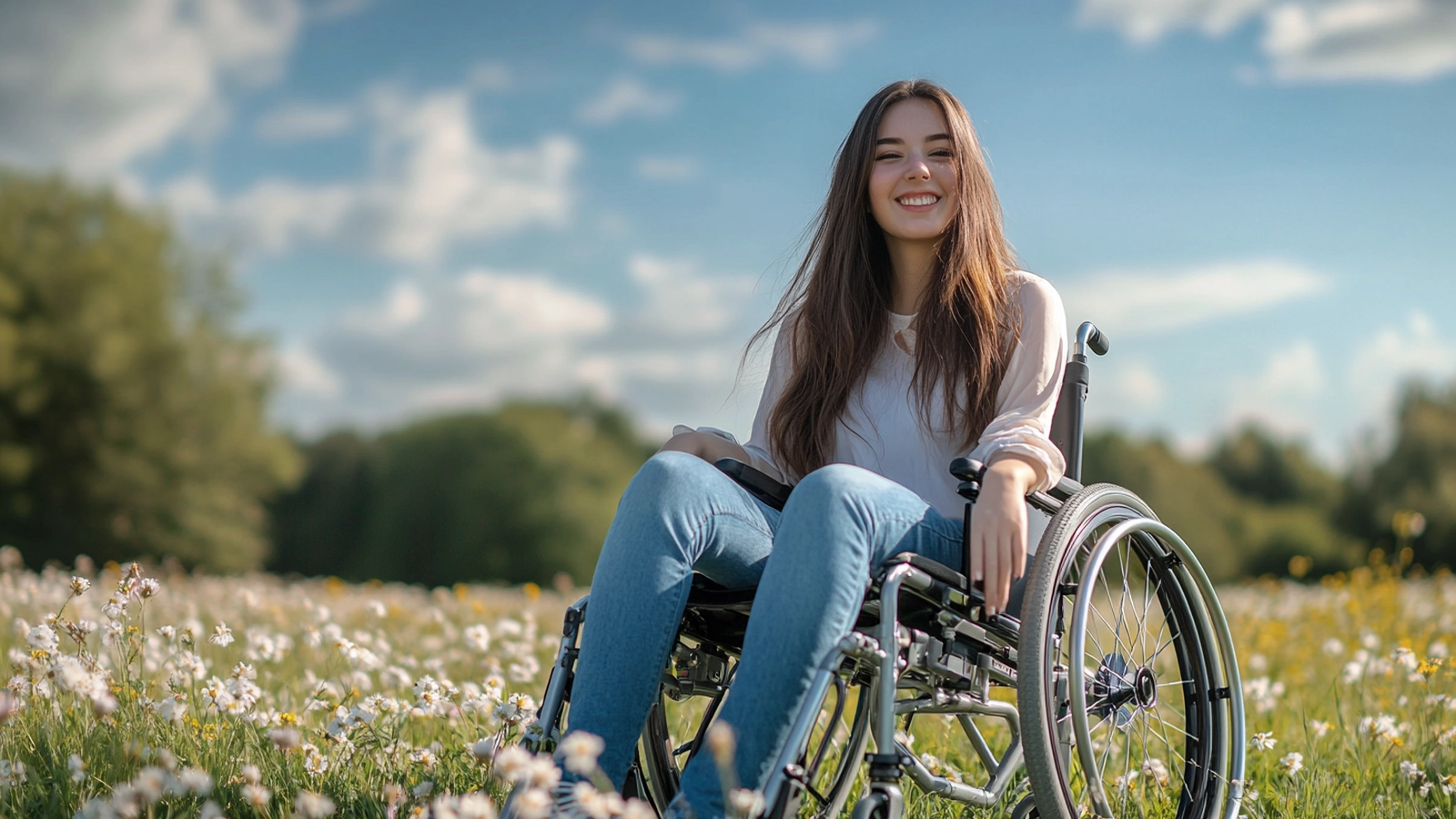
One of the best ways to make your profile engaging is by highlighting the things you genuinely enjoy. Interests and hobbies give others an easy way to start conversations and show them the vibrant, multi-dimensional person you are.
You could mention:
- Favorite books, music, or TV shows
- Creative outlets like painting, writing, or cooking
- Activities you enjoy, whether it’s gaming, nature walks, or social events
- Causes or volunteer work you’re passionate about
Don’t worry about whether your hobbies sound “impressive.” What matters is that they’re authentic to you. Shared interests often form the foundation for meaningful connections, and confidence in sharing them makes your profile more inviting.
Being Honest About Accessibility and Lifestyle Needs
It’s natural to wonder how much to share about accessibility, but honesty helps create smoother, more comfortable connections. If there are specific needs or considerations, mentioning them upfront can prevent misunderstandings later.
For example, you might include a line like: “I love exploring new restaurants, though I prefer places that are wheelchair accessible.” This communicates both your interest and your practical needs without making it the center of your identity.
By being open, you allow potential matches to approach you with understanding. It also helps you attract partners who are considerate and respectful of your lifestyle, which is key to building lasting trust.
Balancing Vulnerability and Positivity in Your Profile
Vulnerability is powerful—it allows others to see the real you. But it’s important to balance it with positivity so your profile feels approachable and uplifting.
For example, sharing that you’ve faced challenges shows resilience, but ending with what you’ve learned or how it shaped you adds an inspiring note. You don’t have to gloss over difficulties, but framing them in a way that highlights your strength and outlook leaves a lasting impression.
Think of it as storytelling. You’re sharing enough to be authentic while also showing that you’re hopeful, open, and excited about the future. That balance invites connection rather than pity.
Avoiding Common Mistakes in Online Dating Profiles
Many profiles fall into the same traps, which can make them less effective. Here are a few pitfalls to avoid:
- Being too vague: Phrases like “I love to have fun” don’t say much. Be specific.
- Negativity: Complaints or “don’t message me if…” statements can drive people away.
- Too many group photos: It should be clear which person you are.
- Leaving sections blank: Empty profiles suggest a lack of effort.
By avoiding these mistakes, you ensure your profile communicates effort, positivity, and authenticity—qualities that are attractive to potential matches.
Using Humor and Warmth to Spark Connection

A little humor goes a long way in making your profile memorable. A clever joke, a playful line, or a lighthearted comment about yourself can break the ice before a conversation even begins.
Warmth matters too. Simple phrases like “I love making people laugh” or “I’m happiest when surrounded by good friends” show that you value connection.
Humor and warmth together create a sense of approachability. They tell people you don’t take yourself too seriously and that spending time with you will likely be enjoyable. Just make sure your humor feels authentic to your personality—it’s about expressing yourself, not forcing a laugh.
How Much to Share About Your Disability
One of the most personal decisions in creating a profile is how much to share about your disability. There’s no right or wrong answer—only what feels comfortable for you.
Some singles prefer to be upfront, writing about their disability directly in their bio. Others choose to share gradually, once trust is built in conversation. Both approaches can work, as long as they align with your comfort level.
The key is to frame your story in a way that highlights your personality, not just your disability. Mention it if you want to, but don’t feel pressured to make it your defining trait. You’re a whole person with many dimensions, and your profile should reflect that.
Crafting a Headline That Stands Out Authentically
Most dating platforms let you add a headline or tagline—a short phrase that appears with your profile. This is your chance to grab attention in a few words.
Try something that reflects both your personality and your outlook:
- “Optimist who loves good coffee and deep talks”
- “Bookworm seeking my next adventure buddy”
- “Kind soul with a witty sense of humor”
Avoid generic phrases like “Looking for love.” Instead, choose words that feel personal and specific. A thoughtful headline can be the spark that draws someone to click and learn more about you.
Reviewing and Updating Your Profile Over Time
Your profile doesn’t have to be set in stone. In fact, updating it regularly is a great way to keep it fresh and relevant. As your interests evolve or you discover what works best, make adjustments.
Think of it like a reflection of your current self, not a static resume. Swap out older photos, add new hobbies, or refine your bio to highlight recent goals. These updates not only improve your chances of connecting with new matches but also signal that you’re active and engaged.
Asking for Feedback from Trusted Friends
Sometimes, it’s hard to see ourselves clearly. That’s where trusted friends come in. Ask someone who knows you well to review your profile. They can point out if your photos reflect your personality, if your bio sounds like you, or if anything feels unclear.
Friends can also help you spot strengths you may have overlooked. Maybe they notice your great sense of humor or your kindness in ways you didn’t think to include. A second opinion can make your profile stronger, more authentic, and more inviting.
Turning Your Profile Into a Conversation Starter
The best profiles don’t just describe you—they invite conversation. Including specific details gives potential matches something to ask about.
For example: “I recently learned how to cook Thai food, and I’m obsessed with perfecting Pad Thai.” That line is more engaging than simply writing “I like cooking.”
By sharing details that spark curiosity, you make it easier for others to reach out. And when conversations begin effortlessly, confidence and connection follow naturally.